When Your Creative Hero Becomes Your Creative Nightmare
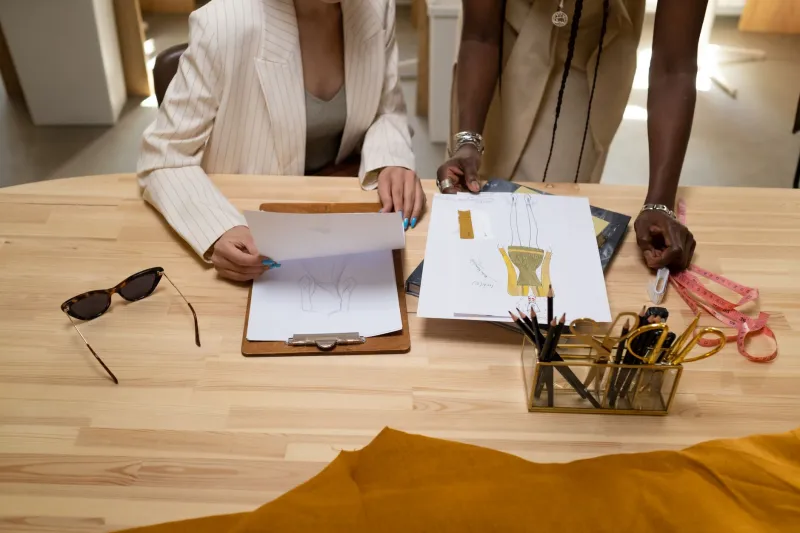
There's a specific kind of excitement that comes with landing a collaboration with someone whose work you've followed for years. You've studied their portfolio, quoted their interviews, maybe even rearranged your workflow trying to emulate something they do effortlessly. And then you finally get the email — or the DM, or the handshake at a conference in Austin — and suddenly you're actually doing this.
Then reality shows up, uninvited, about two weeks later.
This isn't a cynical take on creative partnerships. Some of the most remarkable work in art, design, and storytelling gets made when two distinct minds collide. But the dream collaboration — the one you've mentally rehearsed — has a surprisingly high failure rate, and almost nobody talks about the mechanics of why.
You Fell in Love with the Output, Not the Process
Here's the thing about admiring another creator's work from a distance: you only ever see the finished piece. The polished film, the tight brand identity, the essay that reads like it was written in one perfect breath. What you don't see is how they actually operate — their communication style, their revision habits, how they handle disagreement, whether they respond to Slack at 9 PM or refuse to touch their phone after 6.
Graphic designer Maya Osei, who has collaborated with several high-profile illustrators on editorial projects, puts it plainly: "I used to assume that if I loved someone's work, our brains must work similarly. That's just not how it goes. Great output can come from wildly different — sometimes completely incompatible — processes."
When you finally sit across from your creative hero (literally or virtually), you're meeting a whole person with habits, hang-ups, and a workflow that evolved independently of yours. That mismatch isn't a character flaw on either side. It's just reality, and pretending it won't matter is where things start to unravel.
The Pedestal Problem
Admiration, left unchecked, creates a power imbalance that quietly poisons the collaboration before it even gets started.
When you place someone above you — even subconsciously — you stop being a creative equal and start being an eager assistant. You defer when you shouldn't. You swallow feedback that would actually improve the project. You spend creative energy managing their approval rather than doing the work.
And on the flip side? The person you admire can feel that energy immediately. It's uncomfortable to work with someone who treats you like a monument. It creates pressure to perform at a mythological level rather than just being a collaborator who shows up, tries things, and sometimes gets it wrong.
Filmmaker and creative director Jerome Waites described a collaboration with a director he'd idolized since film school: "I was so afraid of disappointing him that I never pushed back on anything. We made something fine. Completely fine. And I think we both knew it could've been so much more if I'd just treated him like a person."
The fix here isn't to fake indifference. It's to consciously recalibrate before the project starts. Remind yourself — out loud if you have to — that this person's past work doesn't obligate the current project to be perfect. You're both just people trying to make something good.
Vision Alignment Is Not Optional
One of the most common mistakes creative collaborators make is skipping the awkward early conversation about what they're actually trying to make. There's a social pressure to seem easygoing, especially when you're working with someone you respect. Nobody wants to be the person who shows up with a 12-slide deck full of opinions before the first brainstorm.
But showing up without that clarity is worse.
Misaligned creative visions don't announce themselves right away. They simmer. One person thinks the project is edgy and experimental; the other thinks it's refined and commercial. One person is optimizing for their portfolio; the other needs it to serve a client. These aren't irreconcilable differences — but they will wreck a project if they stay buried.
Before any collaboration gets momentum, it's worth carving out time for what some creatives call a "creative brief for the partnership itself." Not just the deliverable, but the why behind it. What does success look like for each person? What's off-limits? Who has final say when you genuinely disagree?
This conversation feels formal, maybe even a little awkward. Do it anyway.
Communication Styles Clash More Than You'd Think
One collaborator processes ideas by talking through them out loud — rambling, circling back, thinking in real time. The other needs to sit with a concept for three days before they're ready to say anything meaningful. Neither approach is wrong, but put them together without acknowledgment and you've got one person feeling steamrolled and the other feeling stonewalled.
Creative partnerships between people who've never worked together before are essentially a communication experiment with a deadline attached. The smart move is to name your styles early. Are you a "reply same day" person or a "deep work, check in weekly" person? Do you want brutal honesty on drafts or do you need encouragement before critique? These aren't precious requests — they're practical information.
A lot of dream collaborations don't fail because the people weren't talented enough. They fail because two talented people spent weeks guessing at each other.
How to Actually Make It Work
None of this means you should stop pursuing collaborations with people whose work genuinely moves you. It means you should pursue them with your eyes open.
A few things that actually help:
Start smaller than you think you need to. Before committing to a six-month project, do something low-stakes together — a short piece, a single concept, even just a conversation where you riff on an idea. You'll learn more about compatibility in two hours of real work than in a dozen admiring emails.
Put the logistics in writing, even if it feels overly formal. Who owns what? How are decisions made? What's the revision process? Clarity here isn't a sign of distrust — it's a sign of respect for both people's time and energy.
Give yourself permission to be a peer. Your hero's past work is theirs. This project is yours together. Treat it that way.
Talk about the project's purpose separately from the project's outcome. Two people can want very different things from a collaboration and still make something great — but only if they've been honest about it upfront.
The best creative partnerships aren't the ones where two people agree on everything. They're the ones where two distinct perspectives are in genuine dialogue — pushing, questioning, occasionally frustrating each other in productive ways. That tension, when it's held well, is where the interesting stuff lives.
Your creative heroes are worth working with. Just make sure you're working with them — not for them, not around them, and definitely not in the shadow of the version of them you built in your head.